

- What Is An SME IPO?
- Why Businesses Need SME IPO Consultants
- Benefits Of SME IPO Listing
- Eligibility Criteria For SME IPO In India
- Our SME IPO Advisory Services
- Why Choose C&B As Your SME IPO Consultants?
- The Growing Opportunity In SME IPOs
- FAQs – SME IPO In India
- 1. What is an SME IPO?
- 2. Who can launch an SME IPO?
- 3. Why should founders consider an SME IPO?
- 4. Which exchanges offer SME IPO listings?
- 5. How is an SME IPO different from a Mainboard IPO?
- 6. How long does the SME IPO process take?
- 7. What are the main benefits of an SME IPO?
- 8. What are the risks of an SME IPO?
- 9. Can an SME-listed company move to the Mainboard?
- 10. Do I need professional advisors for an SME IPO?
- Looking For SME IPO Consultants?
An SME IPO is an effective way for small and medium-sized businesses in India to raise growth capital, improve credibility, and access public markets. This guide explains the fundamentals of an SME IPO, including eligibility criteria, listing requirements, key benefits, costs, and the step-by-step process involved. Founders can learn how an SME IPO helps attract investors, enhance corporate governance, and support long-term expansion. The article also covers the roles of merchant bankers, regulatory compliance, and exchange platforms such as NSE Emerge and BSE SME, helping business owners determine whether an SME IPO is the right growth strategy.
India’s SME ecosystem is growing rapidly, and ambitious businesses are increasingly exploring public markets to raise capital, improve credibility, and accelerate expansion. However, listing on an SME exchange requires strategic planning, regulatory compliance, financial preparedness, and the right advisory support.
This is where experienced SME IPO Consultants play a critical role.
At C&B, we help SMEs, family-managed businesses, and growth-stage companies navigate the complete IPO journey—from IPO readiness assessment to post-listing support. As trusted IPO consultants in India, we work closely with promoters to simplify the SME IPO process and build a strong foundation for successful listing.
What Is An SME IPO?
An SME IPO is the process through which a Small or Medium Enterprise raises funds from the public by listing its shares on SME platforms such as:
- NSE Emerge
- BSE SME
Unlike traditional fundraising methods, an SME IPO helps businesses:
- Raise long-term growth capital
- Improve brand visibility and market credibility
- Create shareholder value
- Access institutional and retail investors
- Build stronger corporate governance
With increasing investor participation in the SME segment, SME IPOs are becoming one of the most effective growth strategies for emerging Indian businesses.
The scale of the SME public-market ecosystem can also be seen in NSE’s latest data. As of 31 March 2026, 721 companies had been listed on the NSE Emerge platform and had collectively raised ₹22,228 crore. The combined market capitalisation of these companies was ₹1,82,437 crore at that date. This provides context for the depth of the SME capital-market ecosystem available to businesses considering public fundraising, while individual companies still need to meet the applicable eligibility and disclosure requirements.
Why Businesses Need SME IPO Consultants
Going public is not just a financial transaction—it is a strategic business transformation.
Professional IPO advisory firms help businesses:
- Evaluate IPO readiness
- Structure finances and compliance systems
- Prepare investor-ready documentation
- Connect with merchant bankers and intermediaries
- Ensure regulatory compliance
- Support valuation and fundraising strategy
An experienced SME IPO consultant helps reduce execution risks and improve the company’s preparedness for public markets.
Benefits Of SME IPO Listing
1. Access to Growth Capital
SME IPOs help businesses raise funds for:
- Expansion
- Working capital
- Technology upgrades
- Debt reduction
- Capacity enhancement
2. Improved Brand Credibility
Listed companies enjoy higher trust among:
- Customers
- Vendors
- Investors
- Financial institutions
3. Better Valuation Opportunities
Publicly listed companies often attract stronger market valuations and investor confidence.
4. Liquidity for Shareholders
An SME IPO creates liquidity opportunities for promoters and early investors.
5. Stronger Corporate Governance
The IPO process encourages businesses to adopt structured governance and financial reporting practices.
Eligibility Criteria For SME IPO In India
To list on SME exchanges, companies generally need:
- Post-issue paid-up capital up to ₹25 crore
- Consistent financial reporting
- Profitable track record in recent years
- Strong compliance and governance systems
- Business stability and growth potential
Eligibility may vary depending on the exchange and merchant banker assessment.

Our SME IPO Advisory Services
As one of the growing IPO advisory firms in India, C&B provides end-to-end SME IPO consulting services.
IPO Readiness Assessment
We evaluate:
- Financial strength
- Business scalability
- Compliance readiness
- Corporate governance systems
Financial & Strategic Advisory
Our team helps businesses:
- Optimize financial reporting
- Improve profitability visibility
- Prepare investor-ready financials
- Build IPO growth narratives
Merchant Banker Coordination
We connect businesses with suitable:
- Merchant bankers
- Legal advisors
- Registrars
- Auditors
- Compliance professionals
Documentation & Due Diligence Support
We assist with:
- Pitch decks
- Investor presentations
- Data room preparation
- Due diligence coordination
Pre & Post IPO Support
Our support continues throughout:
- IPO planning
- Filing process
- Investor communication
- Post-listing business advisory
Why Choose C&B As Your SME IPO Consultants?
Businesses choose us because we combine:
- Strategic financial understanding
- SME business expertise
- Hands-on implementation support
- Long-term business advisory approach
Unlike many traditional IPO advisory firms, we focus not only on listing but also on helping businesses become operationally and financially stronger before entering public markets.
The Growing Opportunity In SME IPOs
India’s SME capital market ecosystem is expanding rapidly, creating significant opportunities for growth-focused businesses.
Companies that prepare early with the right IPO consultants in India gain:
- Better investor confidence
- Stronger market positioning
- Improved valuation potential
- Smoother IPO execution
An SME IPO is not just about raising money.
It is about building a scalable, credible, and future-ready business.
Recent market data provides a more measured picture of the SME IPO opportunity. NSE reported that 111 companies listed through SME IPOs on the Emerge platform during FY2025–26 and raised ₹5,363 crore. Compared with the previous fiscal year, the number of SME IPOs declined 32% and funds raised declined 25%. For businesses evaluating a listing, this highlights that IPO preparation should consider both company readiness and prevailing capital-market conditions rather than relying only on the broader growth of the SME segment.
FAQs – SME IPO In India
1. What is an SME IPO?
An SME IPO allows small and medium-sized businesses to raise capital by listing shares on stock exchanges.
2. Who can launch an SME IPO?
Eligible SMEs that meet exchange and regulatory requirements can apply for an SME IPO.
3. Why should founders consider an SME IPO?
It helps raise growth capital, improve brand credibility, and attract investors.
4. Which exchanges offer SME IPO listings?
SMEs can list on the NSE Emerge and BSE SME platforms.
5. How is an SME IPO different from a Mainboard IPO?
SME IPOs have lower eligibility requirements and are designed for smaller businesses.
6. How long does the SME IPO process take?
The process typically takes several months, depending on business readiness and approvals.
7. What are the main benefits of an SME IPO?
Funding, business expansion, increased visibility, and improved corporate governance.
8. What are the risks of an SME IPO?
Higher compliance costs, market volatility, and shareholder expectations.
9. Can an SME-listed company move to the Mainboard?
Yes, after meeting the required eligibility criteria.
10. Do I need professional advisors for an SME IPO?
Yes, merchant bankers, auditors, and legal experts play a key role in the listing process.
Looking For SME IPO Consultants?
If your business is planning growth, expansion, or public fundraising, C&B can help you assess your IPO readiness and navigate the SME listing journey strategically.
Connect with our team of experienced SME IPO Consultants to explore how your business can unlock long-term growth through public markets.
Also read:
- The industry-wise trend for SME IPOs in India
- Recent Trends in SME IPO
- How To Prepare Your Business For An SME IPO: Eligibility, Process & Consultant Support

One thought on “SME IPO Consultants In India”
 Financing Stratrgy
EBITDA Across Industries: How Should Investors Value Manufacturing, Retail, Logistics & NBFC Businesses?
Understanding EBITDA across industries is essential for investors evaluating businesses with different operating and financial structures. Manufacturing, retail,…
Rathandeep U
Read
 Blog
Blog
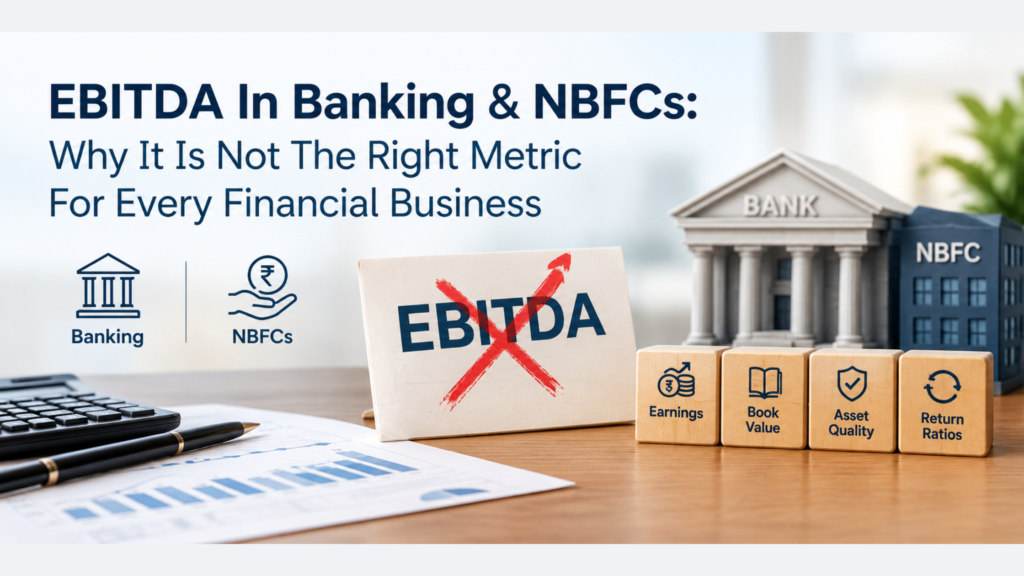
EBITDA In Banking And NBFCs: Why It Is Not The Right Metric For Every Financial Business
EBITDA in Banking and NBFCs requires a different perspective because traditional EBITDA analysis may not fully reflect how…
Rathandeep U
Read
 Blog
Blog
Healthcare Industry in India: Investment & Growth Opportunities
India’s healthcare sector is entering a new phase of formalisation, consolidation and capital-driven growth. The market is estimated…
Rathandeep U
Read

[…] answers ten of the most common questions founders ask before raising capital, preparing for an SME IPO, or scaling their […]